

The focus of this unit is to help children understand place names within their local area as well as the wider Aotearoa. The tamariki will study the events and people that led to the naming of those places.
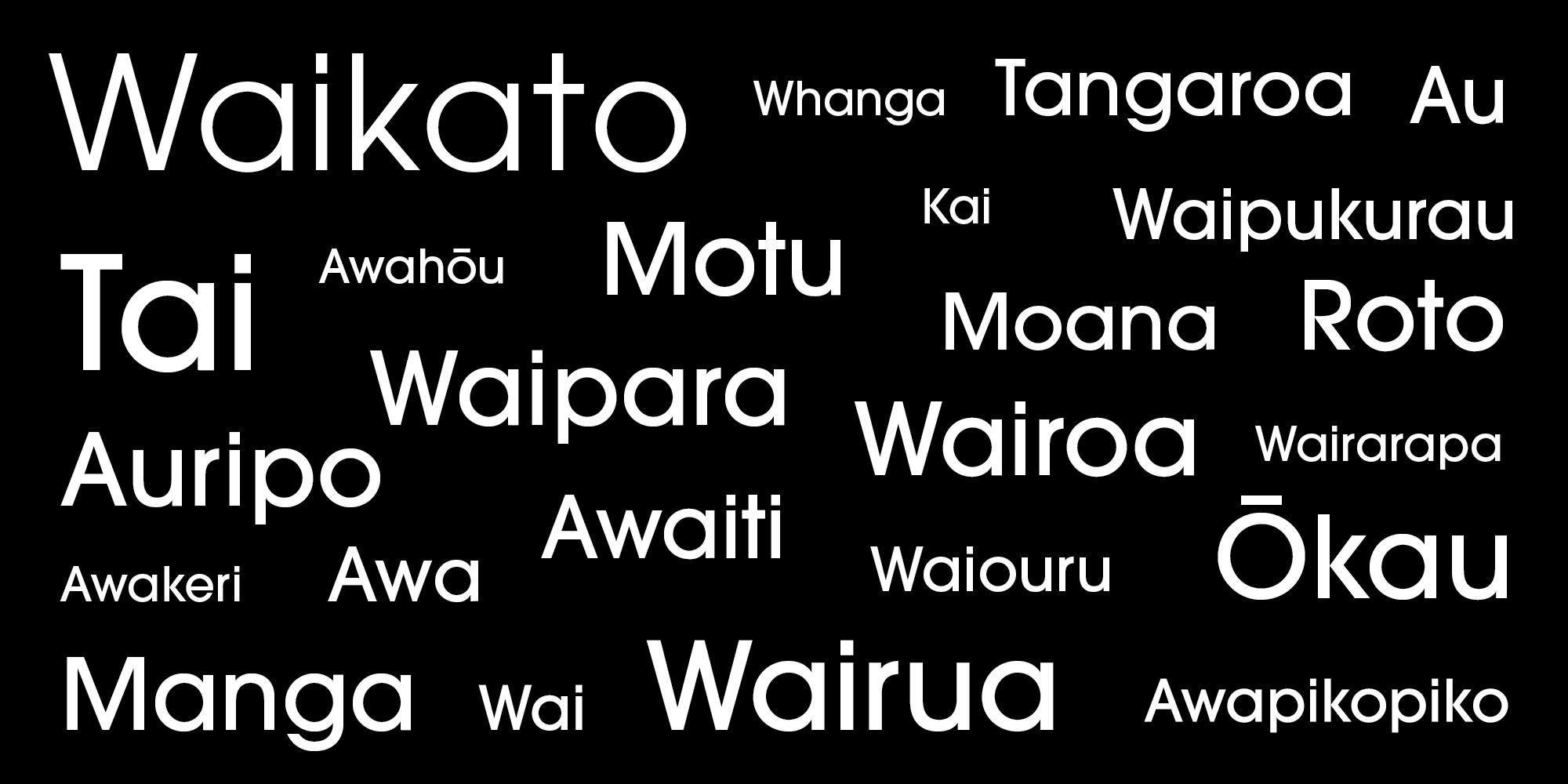
Place names are usually named after a significant event, an important person or as a commemorate. Tamariki will research the many ways water can be described so we might get a better understanding into place names that we are unfamiliar with.
Students are able to
Inquiry Question - Where did the names from our iwi and hapū come from, and wider Aotearoa?
For each lesson the teacher can choose a different waterway to discuss how it was named. If for instance, the class discuss the name Te Ika ā Maui, the below are questions to help start discussions
*Other names to consider for discussion: Taupō-nui-a-Tia, Te Whanganui-ā-Tara, Te Oneroa-a-Tōhe
Wānanga 2 -Food
Wānanga 3 -Event
Wānanga 4 -Person
Wānanga 5 -Feature or characteristic
These can be created as role plays, waiata, google animation, book creator.
The aim is to produce a whole class glossary of words associated with water.
You’ve learnt about how our tūpuna named places because of things that they saw, heard, ate, or did. This lesson is where you can name a few places of your own. Using a map of an area you go to regularly, make up at least 5 names to remember things you’ve seen, heard, eaten or done at those places.
Using the research on the names that our tūpuna gave for the different type of water, and adjectives for water, tamariki are to create a pātere or poster on the Wordart website.