As of today, 71 New Zealanders have drowned in 2026 – 18 ahead of the total at the same time last year and eight more deaths than the 10-year average.
It’s a poignant reminder, as we begin Water Safety Month, of how we need to work together to prevent further drownings as summer and a super El Niño loom.
The month’s theme, We All Play a Part, celebrates the people, organisations and communities working together to prevent drowning across Aotearoa, while encouraging New Zealanders to get prepared for a safe and fun summer.
“Every drowning is a tragedy, and the trajectory of this year shows just how much work we still have to do,” said Glen Scanlon, Chief Executive of Water Safety NZ.
“Drowning prevention takes more than one organisation or one intervention. It takes people working together, from government and sector organisations to schools, community groups, whānau and individuals. We all have a role to play.”
Working together to drive change
Glen describes the recent lifejacket legislation as a powerful example of what collective action can achieve. Since 9 October 2026, new requirements make it mandatory for people on recreational craft six metres or less in length to wear a lifejacket.
“Getting to this point has taken sustained effort and collaboration across the water safety sector and beyond.
“It demonstrates what is possible when people and organisations share a goal and keep working towards it. The legislation is an important step towards preventing drowning, but individual decision-making matters. We all still need to play our part and make good decisions to keep us and our loved ones safe.”
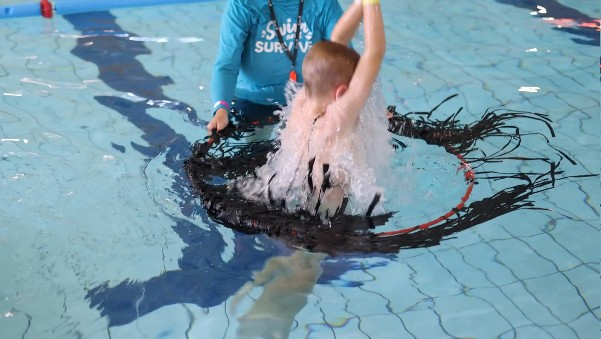
Another great example of shared success is the Water Skills for Life programme, where collaboration helps equip young New Zealanders with the skills they need to stay safe around water.
Parents, whānau, schools and kura, water safety providers, instructors, community groups and funding partners all contribute to making water survival education possible.
Earlier this year, Northland became the first region in New Zealand where every eligible school was participating in Water Skills for Life. This means every school identified as having the highest need is receiving fully subsidised water survival education for students in Years 0–8.
“Giving our young people the skills to keep themselves safe is a collective effort, and it takes commitment from right across the community to make that happen,” said Scanlon.
Getting ready for El Niño and the summer ahead
An average of 43% of drownings occur during the summer season, when more people spend time in and around the water.
“Now is the time to check your equipment, make sure it is in good condition and ready to use, refresh your knowledge and think about the decisions you’ll need to make.
“Whether you’re planning a day at the beach, fishing from the shore, heading out in a boat or swimming in a river, take a moment to consider the conditions, your abilities and the people around you. A few simple precautions can make a significant difference.”
The outlook for the coming summer makes these preparations particularly important. Updated predictive modelling indicates that preventable drowning deaths could reach more than 90 this year.
An El Niño weather pattern is also expected to increase risk. Historical data from 2000-2025 shows a significant increase in drowning rates during El Niño years, with up to six more deaths than in a non-El Niño period.
“These figures are a sobering reminder that we cannot afford to be complacent,” said Scanlon. “El Niño brings changed weather patterns – hotter temperatures, stronger winds and changeable currents.”
Scanlon said, in particular, Water Safety NZ’s data shows men in the 55-64 age group are at greater risk during such periods when using powered craft near shore or swimming at surf beaches.
“Among that age group we see four more deaths in El Niño years. Complacency is often the greatest challenge – the ‘I’ve done this before, I can do it again’. But when conditions change, we need to adapt.”
Every part matters
Throughout November, Water Safety Month will highlight the people and organisations making a difference across Aotearoa, from iwi-led initiatives and surf lifesaving clubs to water skills educators, volunteers, community groups and individuals.
The campaign encourages water safety partners, supporters and the wider community to share their stories, celebrate local champions and show how they are helping keep people safe.
The campaign’s puzzle and jigsaw imagery represents how every action, no matter how small, connects to the bigger picture of water safety in New Zealand.
People can share stories, photos and videos on social media using #WeAllPlayAPart or tagging @WaterSafetyNZ. Free campaign assets are available at watersafetynz.org, and Water Safety New Zealand will help amplify stories throughout the month.
About Water Safety Month
Water Safety Month is a national initiative led by Water Safety New Zealand in collaboration with the water safety community, including Surf Life Saving New Zealand, Coastguard Tautiaki Moana, Drowning Prevention Auckland, NZ Sport Fishing Council, Maritime New Zealand and others.
The campaign shines a light on the collective effort to reduce drowning and promote safe behaviour at beaches, rivers, lakes and pools across Aotearoa.
Because when it comes to keeping our communities safe in, on and around the water, we all play a part.
Read more: Water Safety Month 2026 - We All Play A Part