Every year, an average of 86 New Zealanders die in a preventable drowning. With 43% of all drownings occurring in summer months, when more people head to beaches, rivers, lakes, harbours, campgrounds, and holiday hotspots.
This summer begins with a concerning trend. As of today, 71 people have already drowned in New Zealand, exceeding the 68 lives lost at the same time last year.
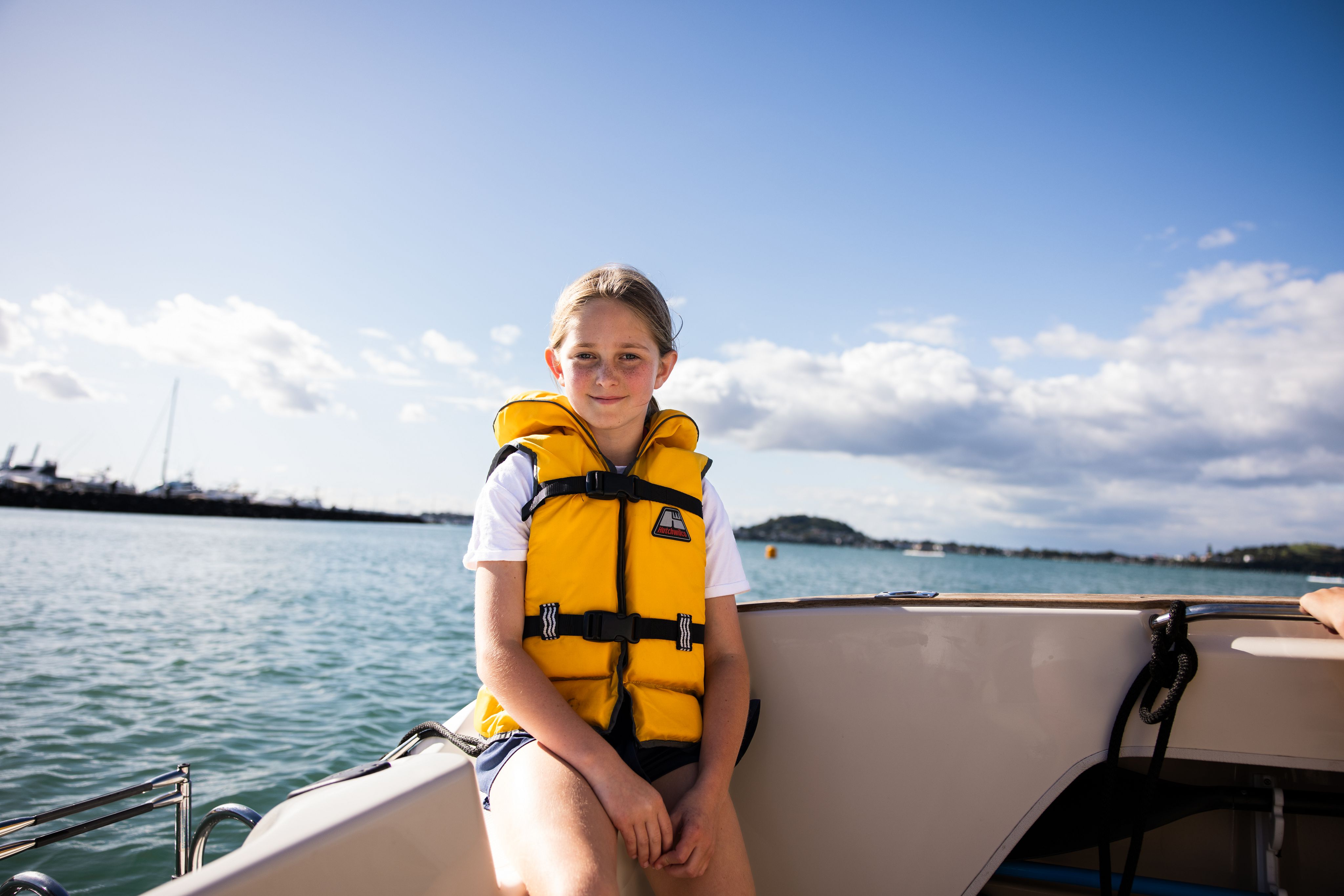
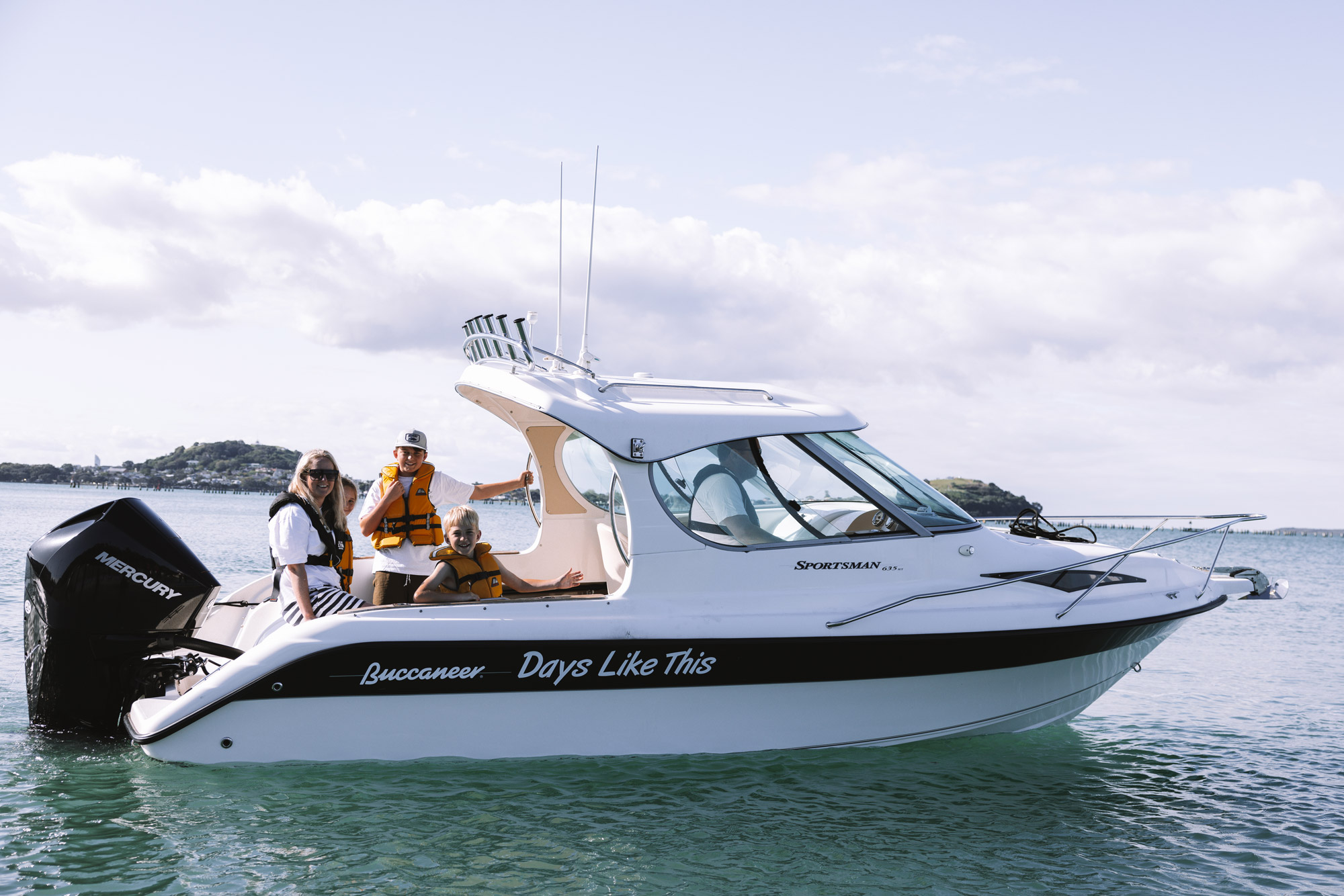
Days Like These reminds people that drownings don’t only happen during extreme conditions - they happen on warm, sunny days when the water looks inviting.
“People drown on days like these,” says Water Safety New Zealand. “Blue skies, calm water and holiday vibes can mask very real risks. The reality is much of our coastline, our rivers, lakes and beaches are more dangerous than they appear.”
Blue skies, water that appears calm and holiday vibes can mask very real risks. The reality is much of New Zealand’s coastline, our rivers, lakes, and beaches are more dangerous than they appear.
New Zealand men continue to be significantly over-represented in drowning statistics, with 81% of last year’s drownings occurring involving men. Water Safety NZ says wearing a lifejacket is the most important thing Kiwi men can do on boats and rock fishing.
Simply having a lifejacket with you is not enough. By the time you know you need one, it's probably too late to put it on and it is extremely difficult, if not impossible, to put on a lifejacket once you are in the water.
“We’re begging Kiwi men to shift away from the ‘it won’t happen to me’ mindset. It can happen to you” says Water Safety NZ CE Glen Scanlon. “It could be any of us unless we make good decisions and take responsibility for our safety – and the safety of others who rely on us.”
The holiday season brings celebrations, but you should never mix the consumption of alcohol orother drugs in, on and around the water. Taking any risk around water can be dangerous, and when you combine taking risks with alcohol – it can be fatal. Alcohol and other drugs significantly impair judgement, balance and reaction time.
Never fish, dive or operate a boat under the influence. Avoid taking risks in the name of celebration or putting extra kai on the table.
Divers and fishers are encouraged to know their limits, not to push beyond their physical ability, and not to underestimate conditions or overestimate experience.
Key safety messages for summer
Water Safety New Zealand urges all New Zealanders to:
- Wear a lifejacket — in every craft, in every place. Always wear a lifejacket when fishing from rocks
- Never dive alone – so someone is there to respond when the unexpected happens
- Keep a close eye on young children near all types of water, including inflatable and temporary pools. A designated adult needs to be with every individual child around water
- Be aware of known blackspots and local conditions. In Auckland, 39% of drownings occur at recognised high-risk locations, particularly the West Coast beaches.
- Recognise that many drownings happen unexpectedly - slips, falls, and simply being near water can be fatal, even when entering the water was never intended. If you have been drinking alcohol, don’t walk home near water. Look out for your friends, make sure they get home (or back to the tent!) safely.
- Avoid swimming at beaches when lifeguards are not on patrol If the flags aren’t up and you’re unfamiliar with the conditions, please stay out of the water.
- Do not swim alone Always swim between the red and yellow flags
- Understand your own abilities Look after one another and respect the conditions.
Summer focus
Days Like These will run throughout the summer across the country, including weather-triggered billboards that activate on sunny days, and placements in high-risk locations, including drowning blackspots such as Mount Maunganui.
The campaign pairs the pull of summer - blue skies and the ocean calling - with a stark reminder: people drown on days like these.
“Unfortunately, that is the reality of a New Zealand summer. People do drown on days like these”.
The official holiday period starts at 4pm on Christmas Eve (Wednesday 24 December) and ends at 6am on Monday 5 January. During last summer’s holiday period, four drownings occurred.